

The Chairman of the House of Representatives Committee on Public Assets, Ademorin Kuye, has called on state governors and local government chairmen across Nigeria to adopt compressed natural gas (CNG)-powered mass transit schemes to reduce the burden of high transportation costs on workers.
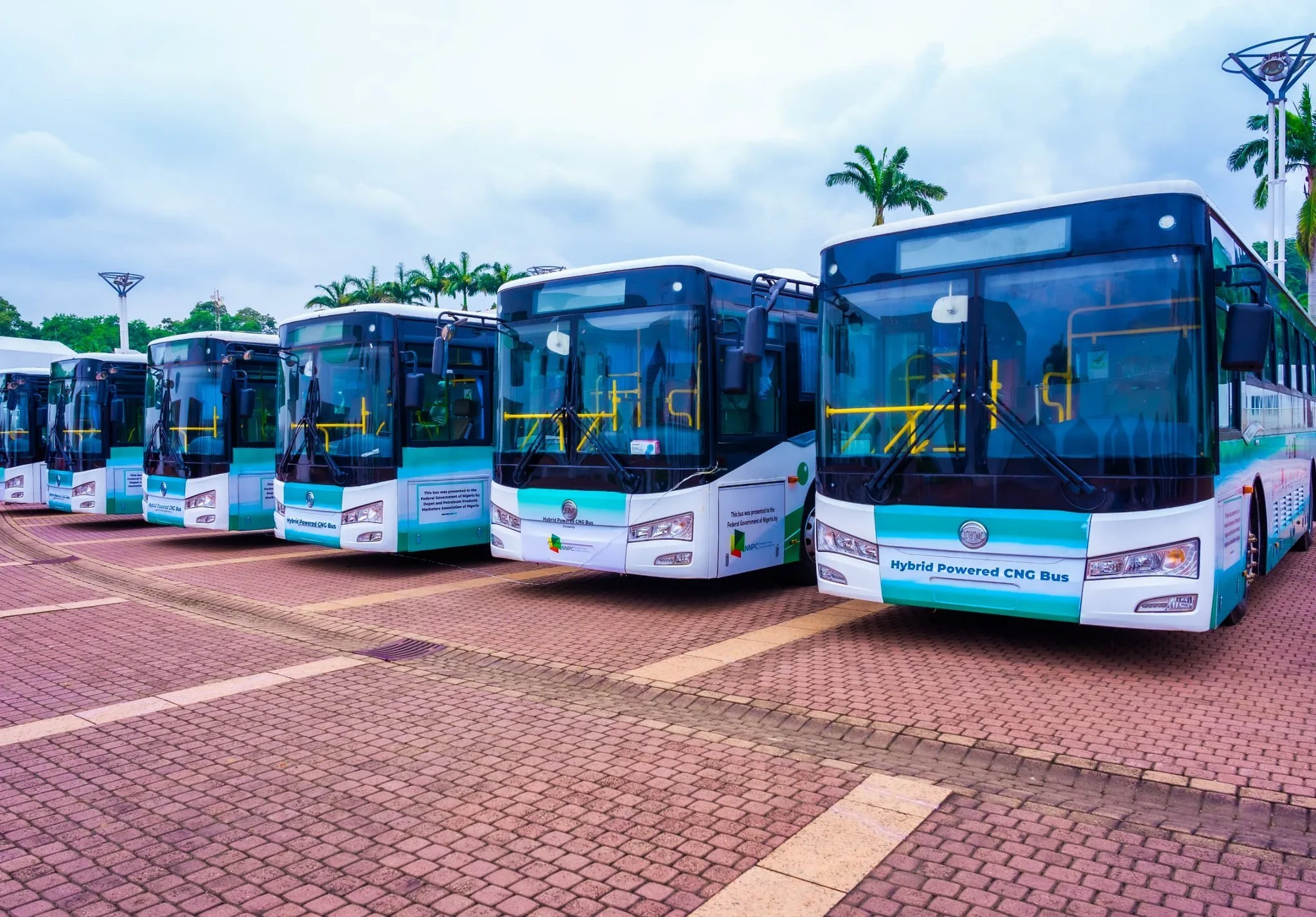
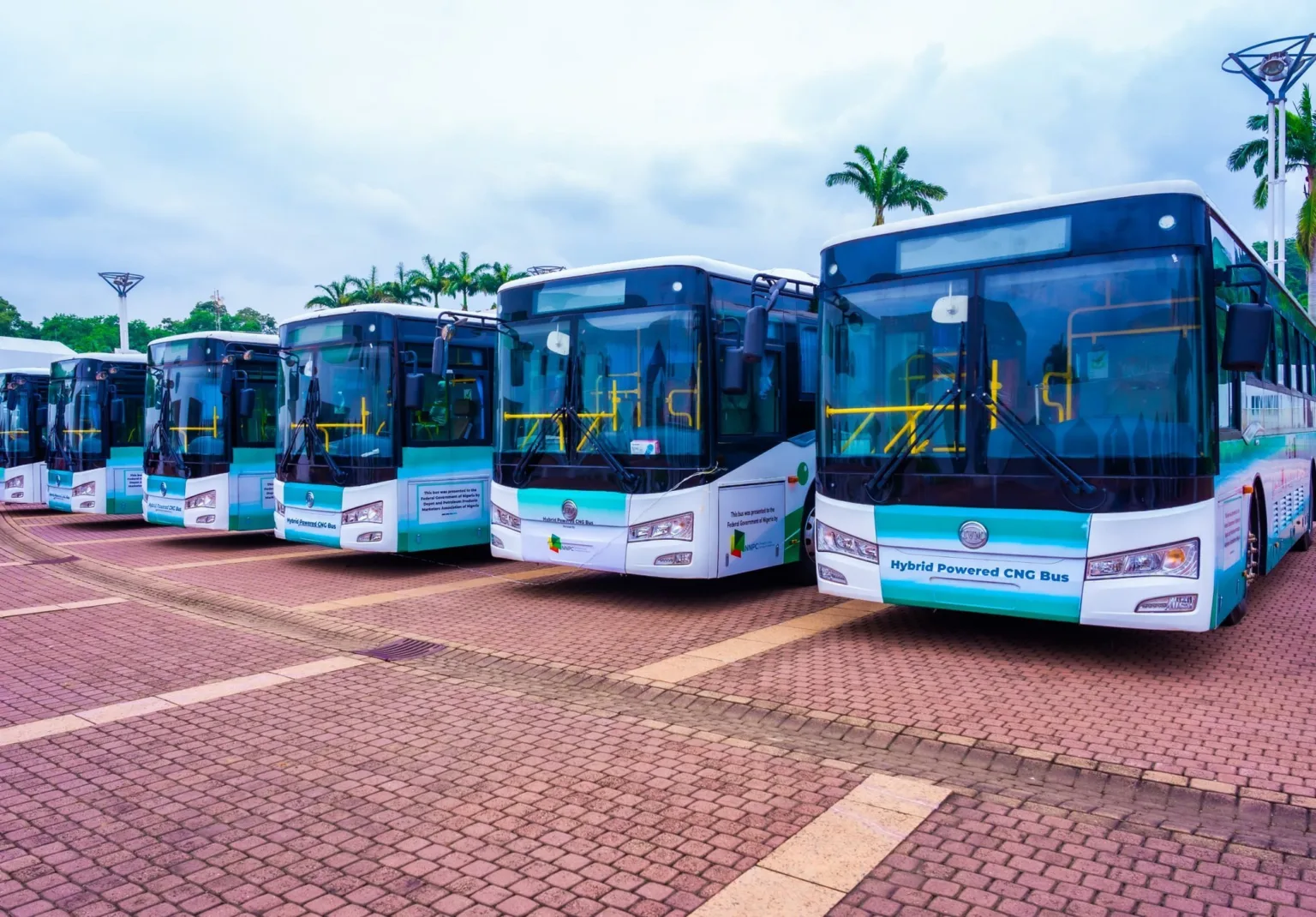
Kuye made the call on Friday while reacting to the rollout of 37 CNG-powered buses in the Federal Capital Territory under the Presidential Compressed Natural Gas Initiative (PCNGI).
The buses are expected to provide subsidised transportation for civil servants and other commuters in Abuja as Nigerians continue to grapple with rising transport fares and the wider cost-of-living crisis following the removal of the petrol subsidy.
Commending the Federal Government for the initiative, the lawmaker said the intervention came at a critical time, particularly for workers whose salaries are increasingly being consumed by transportation expenses.
He said the high cost of transportation had placed a significant burden on Nigerian workers, especially junior and mid-level civil servants who depend heavily on fuel-powered transport to commute to and from work.
“By providing a subsidised, low-emission mass transit option, the Federal Government has taken a concrete, measurable step towards cushioning the effect of the removal of the petrol subsidy on the ordinary worker,” Kuye said.
According to him, CNG-powered buses could provide direct financial relief to civil servants while reducing dependence on petrol.
He also noted that the adoption of CNG vehicles could deliver environmental and public health benefits due to their lower emissions compared with conventional petrol and diesel-powered vehicles.
However, Kuye said the deployment of 37 buses was inadequate to meet the transportation needs of the Federal Government workforce in Abuja, stressing that millions of workers across the states and local governments were facing similar challenges.
“While this step by the Federal Government is commendable, 37 buses cannot adequately meet the transportation needs of the government’s workforce in Abuja, let alone the millions of state and local government employees across the federation who face the same cost-of-living pressures,” he said.
The lawmaker therefore urged state governors and local government chairmen to emulate the Federal Government by procuring CNG-powered buses for civil servants and other commuters or converting existing government buses to CNG.
“I therefore call on state governors and local government area chairmen to emulate this initiative and urgently procure CNG buses for conveying civil servants or convert existing buses to CNG for the transportation of civil servants and other passengers,” he added.
Kuye described a functional mass transit system as a more sustainable intervention than one-off financial assistance, arguing that regular access to affordable transportation could provide continuous relief for workers.
He also urged state and local governments to partner with the PCNGI and private transport operators to improve access to CNG conversion kits, affordable financing and technical expertise.
The lawmaker further called on the Federal Ministry of Transportation and the PCNGI to accelerate the expansion of the CNG mass transit programme beyond Abuja.
According to him, expanding the scheme nationwide would allow more workers and commuters to benefit from cheaper and more reliable transportation.
Kuye also urged members of state Houses of Assembly to use their oversight functions to encourage their respective governments to establish similar CNG-powered mass transit schemes.
The Federal Government introduced the CNG initiative as part of measures aimed at cushioning the economic impact of petrol subsidy removal and promoting the transition from petrol and diesel to natural gas.