

Human rights activist and publisher Omoyele Sowore has raised concerns over the involvement of a young child in the traditional role of Arugba at the Osun-Osogbo Festival, arguing that a child of such a young age may not be able to make an informed decision about taking on a major cultural responsibility.
Sowore reportedly questioned the practice in a statement concerning the appointment of Alimot Osunbunmi, who was selected as the new Arugba in 2025.
He argued that while cultural traditions remain an important part of Yoruba identity and heritage, children’s rights and welfare should also be considered when young people are assigned significant traditional responsibilities.
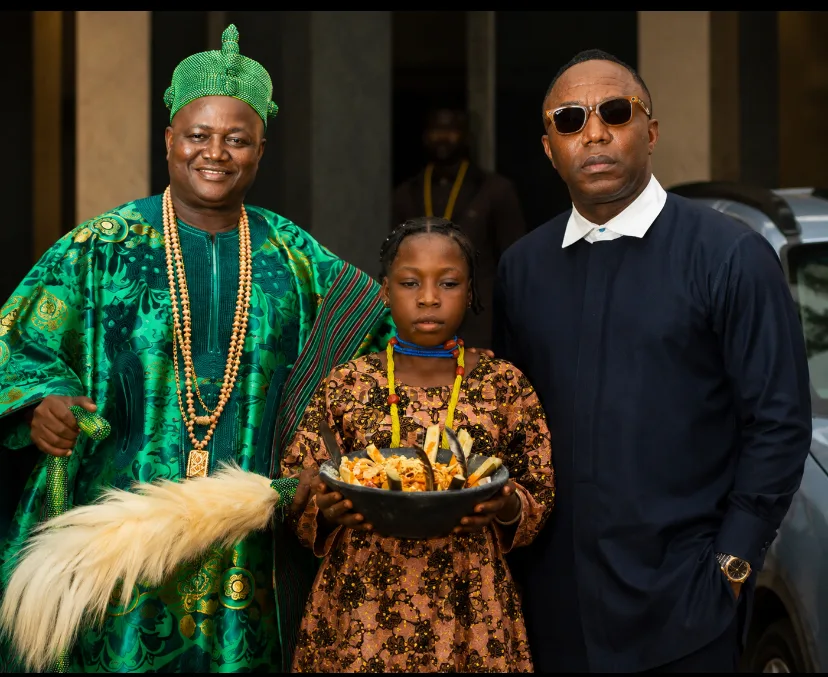
“A 10-year-old cannot make an informed decision about accepting a lifelong cultural responsibility,” Sowore said, according to the statement.
He maintained that cultural practices should evolve alongside society’s growing understanding of children’s rights and dignity, stressing that no tradition should impose obligations on a child who is not old enough to make such decisions independently.
Arugba’s role in Osun-Osogbo Festival
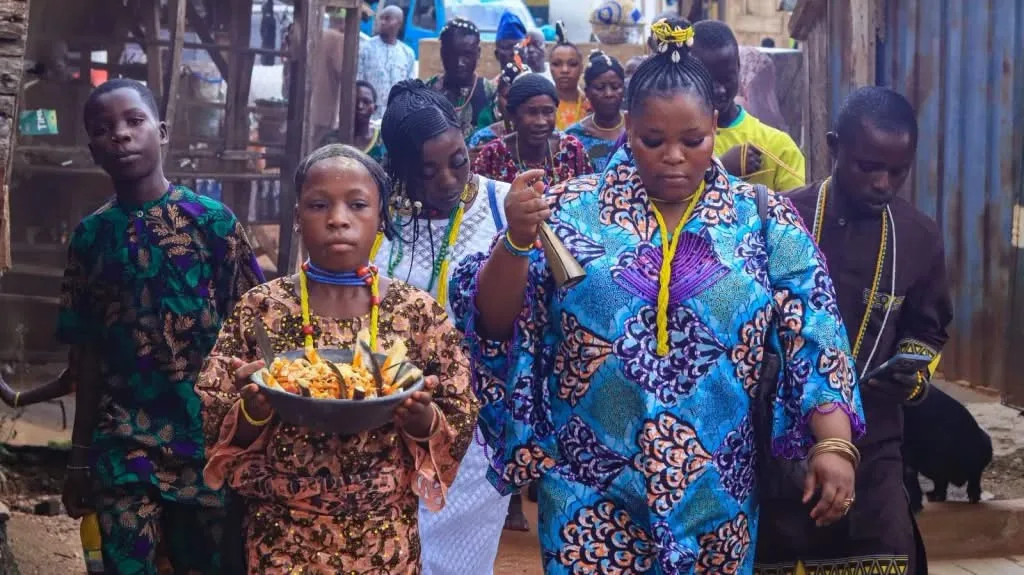
The Arugba is traditionally a young female from a royal family who plays a central role in the annual Osun-Osogbo Festival. The role involves participating in the sacred procession and, traditionally, carrying the symbolic calabash to the Osun Sacred Grove.
Reports from the 2025 festival identified Alimot Osunbunmi as the new Arugba, succeeding Osuntomi Ewatomilola, who had held the position for more than a decade.
However, during the 2025 festival, the sacred calabash was carried by the Osun chief priest rather than the young Arugba. Reports said the calabash was considered too heavy for the child, while an Ifa priest explained that tradition permits another person to carry it when necessary.
Sowore’s comments have therefore added a child-rights dimension to the wider conversation about the preservation of traditional practices, particularly where children are involved.
He stressed that children should have the opportunity to grow, learn and eventually make important choices about their lives when they are mature enough to do so.
According to him, preserving culture should not come at the expense of children’s welfare, adding that traditions can remain meaningful while also adapting to contemporary standards of dignity and child protection.