

President Bola Ahmed Tinubu has ordered a comprehensive reform of Nigerian football amid the lingering crisis and controversies surrounding the administration of the Nigeria Football Federation (NFF).
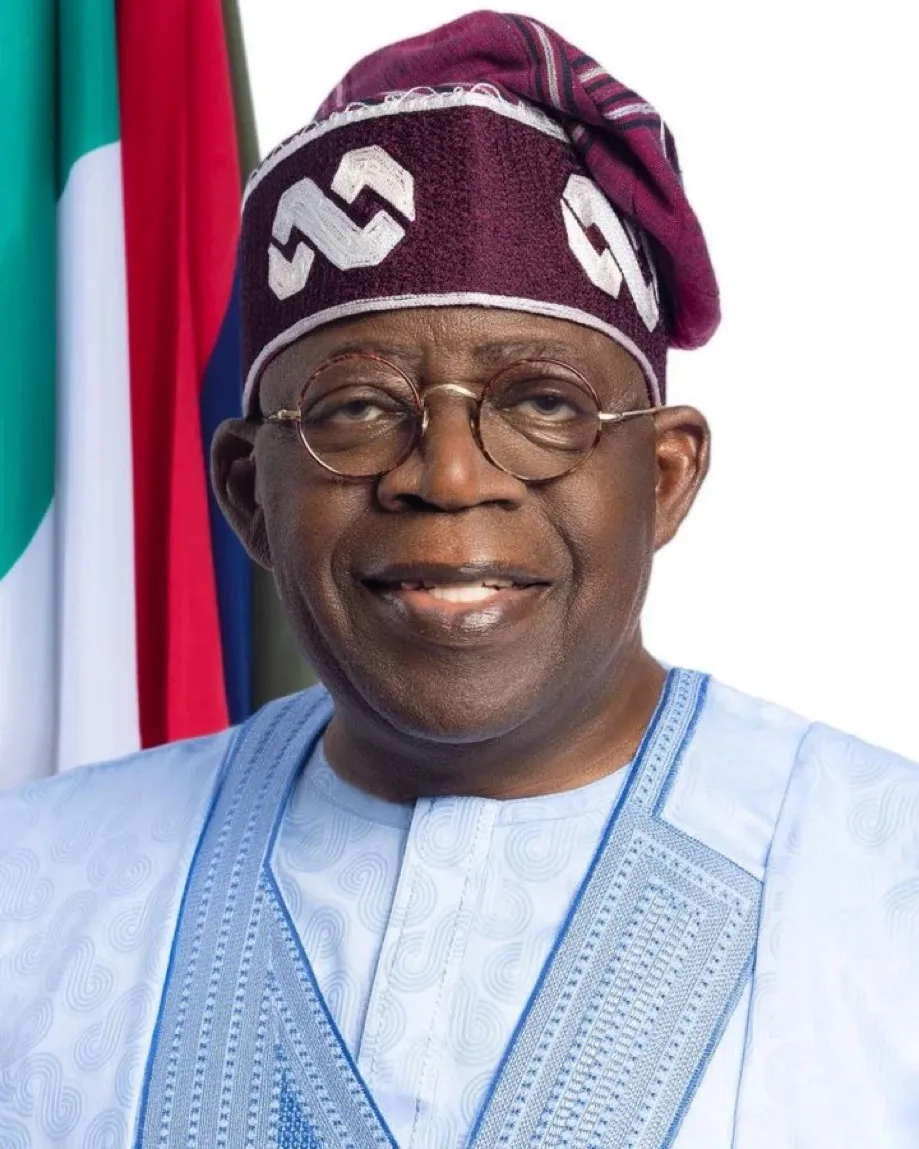
The directive was issued as the Federal Government intensified efforts to address longstanding challenges affecting the management, development and international competitiveness of football in Nigeria.
The reform is expected to examine the structure and administration of the NFF, with particular attention to accountability, transparency, financial management and the overall governance of the country’s football system.
The development comes against the backdrop of growing concerns among football stakeholders over the state of football administration in Nigeria and the need for urgent measures to restore stability and confidence in the country’s football institutions.
The President’s directive is expected to involve a broad review of the existing football administration framework and the relationship between the NFF, the Federal Government, clubs, state football associations, players, coaches and other stakeholders.
Sources familiar with the development said the reform would seek to ensure that Nigerian football is administered in accordance with internationally recognised standards while also protecting the interests of the country.
Among the issues expected to receive attention are the development of football from the grassroots, improved scouting and development of young talents, better welfare for players and coaches, and more effective management of the national teams.
The reform could also address concerns over the financial management of football resources and the need for greater transparency in the handling of funds allocated to football programmes and national team activities.
Nigeria has historically produced some of Africa’s most successful footballers and has enjoyed significant achievements at both continental and international levels. However, stakeholders have repeatedly raised concerns about administrative instability, inadequate infrastructure, poor grassroots development and disputes within football governance.
The latest presidential directive is therefore being viewed as an attempt to provide a fresh direction for the sport and create a more sustainable system capable of producing long-term results.
The Federal Government is expected to engage relevant football stakeholders as the reform process progresses, with recommendations aimed at strengthening the institutional framework governing Nigerian football.
The move is also expected to place greater emphasis on the development of domestic football, including the Nigeria Premier Football League and lower divisions, in order to create a stronger pipeline of talents for the national teams.
Stakeholders have continued to argue that improved domestic football would reduce Nigeria’s dependence on players developed abroad while providing opportunities for young Nigerians to pursue professional careers within the country.
The national teams are also expected to be a major focus of the reform, particularly in relation to preparations, coaching structures, player welfare and the overall organisation of international competitions.
The President’s intervention comes at a time when Nigerian football is facing renewed scrutiny over its administration and performance.
The Federal Government is expected to work with the NFF and other relevant bodies to translate the presidential directive into concrete reforms.
The administration has also stressed the importance of ensuring that Nigerian football operates with greater professionalism, accountability and efficiency while remaining consistent with the autonomy principles governing football administration.