


The Independent National Electoral Commission (INEC) has explained reports that 453 additional polling units have been created across Nigeria ahead of the 2027 general elections.
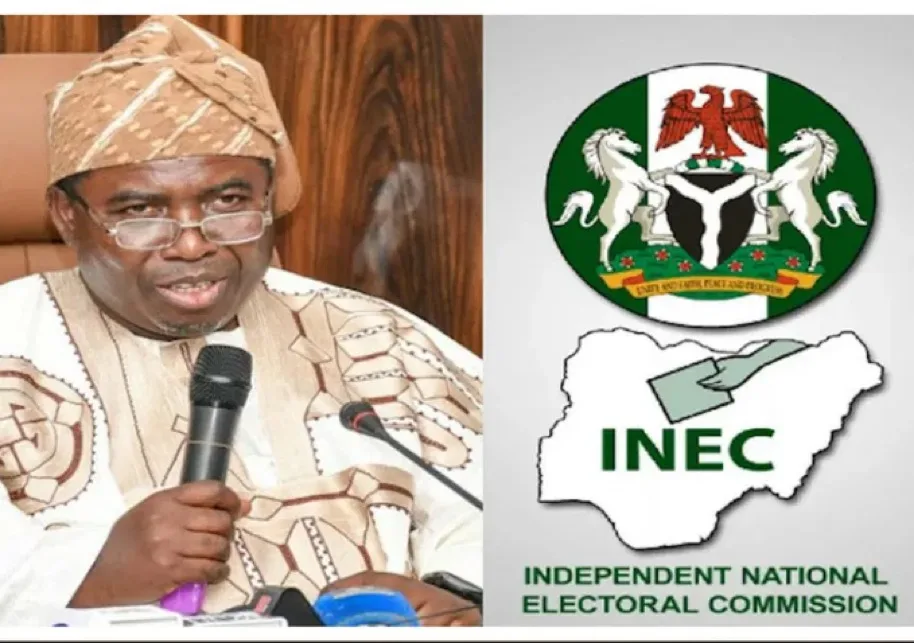
The commission attributed the reported changes to court rulings that necessitated the creation of new constituencies in Kogi, Benue, and Delta states.
INEC’s Deputy Director of Information and Publicity, Wilfred Osilama Ifogah, provided the explanation during an interview with Trust TV on Wednesday.
The controversy emerged following reports alleging that the electoral commission had increased Nigeria’s polling units from 176,846 to 177,299 without publicly announcing the development or consulting relevant electoral stakeholders.
According to the reports, Delta State accounts for the entire 453-unit increase, with its polling units reportedly rising from 5,863 to 6,316.
However, Ifogah did not specifically confirm that 453 new polling units had been created.
He explained that the court-ordered adjustments to constituencies would naturally affect electoral arrangements in the affected areas, including the distribution of wards and polling units.
The INEC spokesperson also indicated that the commission was still examining the necessary details before making further information available to the public.
The development has generated concerns among political stakeholders, particularly over transparency and accountability in the management of Nigeria’s electoral infrastructure ahead of the 2027 elections.
The controversy also comes amid growing scrutiny of INEC’s preparations for the forthcoming general elections and questions surrounding the accuracy of its preliminary voters’ register.
Meanwhile, the commission’s explanation is expected to provide further clarity on the reported changes as Nigerians and political parties demand transparency in the electoral process.