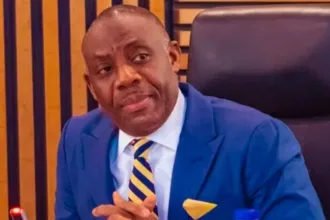


The Minister of Defence, Gen. Christopher Musa (retd.), has explained how Nigerian security forces sometimes rescue abducted victims from terrorists and kidnappers without arresting or killing their captors.
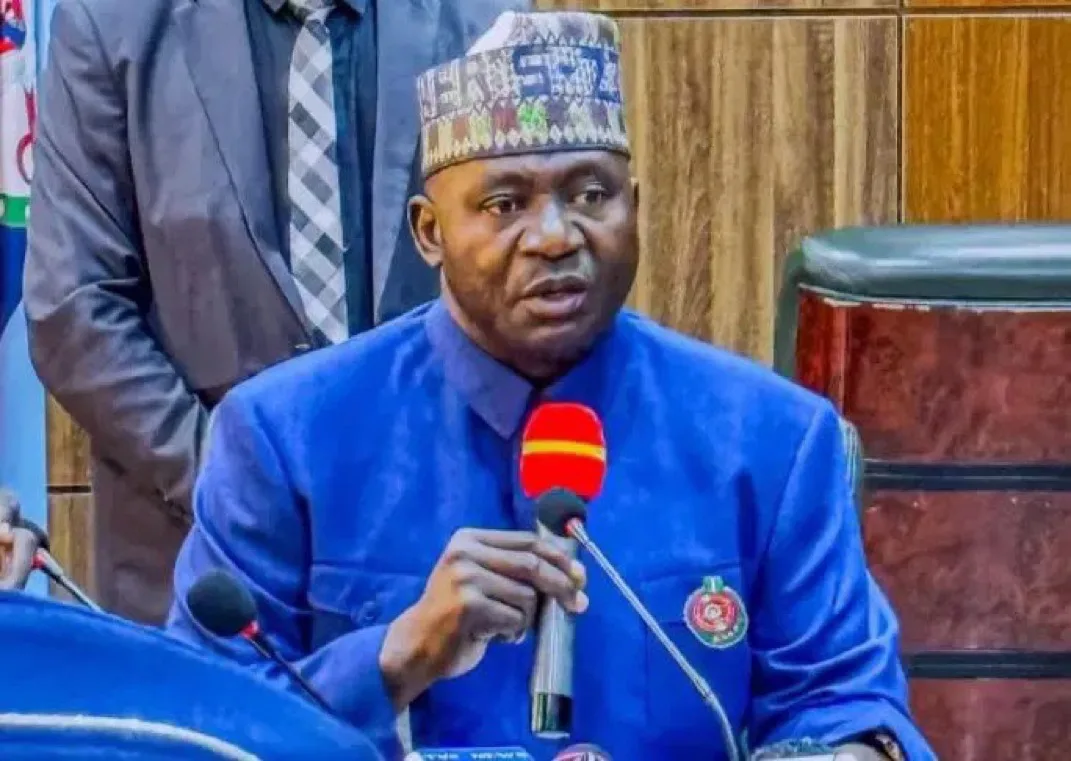
Musa said the strategy often involves locating the criminals, blocking their escape routes and cutting off their access to essential supplies such as food, water and fuel, forcing them into vulnerable positions.
Speaking on Channels Television’s Politics Today on Thursday, the Defence Minister said terrorists often abandon their captives and flee when they realise security forces are closing in.
“The funny thing is, the terrorists too don’t want to die. All this one they’re doing carrying weapons, they don’t want to die. So once there’s anything, even if it’s a drone that comes, you see them scatter away and leave everybody.”
According to Musa, security forces adopt manoeuvres designed to deny terrorists the resources and freedom of movement required to sustain their operations.
“Once we’re able to identify where they are, we block avenues for them. Like I said, take out the oxygen, they will die,” he said.
The minister warned that individuals who secretly supply terrorists with fuel, food and water are contributing to the continued survival of criminal groups.
Musa also said security agencies were exploring ways to trace ransom payments, noting that financial transactions could potentially provide valuable intelligence on terrorist networks.
He said the Central Bank of Nigeria was working to improve efforts to track suspicious funds linked to criminal activities.
The Defence Minister further appealed to state governments to reconsider the widespread distribution of high-capacity motorcycles as palliatives and constituency projects, alleging that some eventually find their way into the hands of terrorists and bandits.
According to him, motorcycles provide criminals with a major tactical advantage, allowing them to access difficult terrain and quickly disappear after carrying out attacks.
Musa suggested that where motorcycles must be distributed, lower-capacity models should be considered to reduce their potential use by criminal elements.
The minister’s remarks come amid continued public concern over kidnapping for ransom and questions surrounding recent military operations, including cases in Kwara State and other parts of northern Nigeria where abducted victims were rescued without reported exchanges of gunfire or the arrest of their captors.