


The Federal Government has confirmed a case of Ebola Virus Disease (EVD) in the Federal Capital Territory (FCT), Abuja, following laboratory tests that reportedly confirmed the infection in a woman with a recent travel history to Uganda.
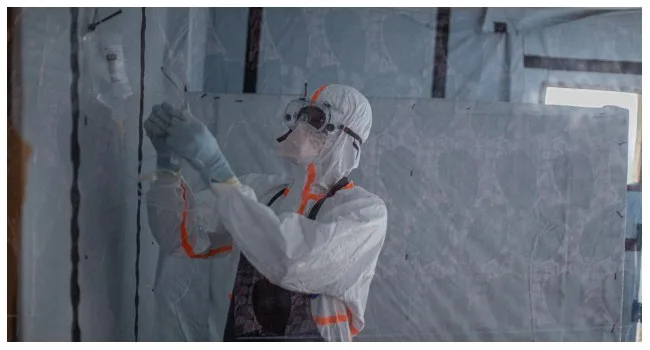
The Coordinating Minister of Health and Social Welfare, Professor Muhammad Ali Pate, disclosed this during a media briefing in Abuja on Tuesday.
According to the minister, the case was imported into Nigeria by a woman who recently travelled from Uganda, an East African country. The patient reportedly returned to Nigeria on September 7 and developed symptoms associated with the disease, which worsened four days later.
Pate explained that laboratory investigations subsequently confirmed the infection, prompting health authorities to activate measures aimed at containing the virus and preventing further transmission.
The minister said the patient is currently in isolation and receiving medical care, while contact-tracing efforts have commenced to identify individuals who may have been exposed to the infection.
A government statement disclosed that the woman arrived in Nigeria on an international flight from Uganda and was admitted to a private hospital, where she received treatment for several days before the diagnosis was confirmed.
As part of the response, health officials have identified 44 contacts linked to the case. The individuals are expected to be monitored as authorities work to establish whether anyone else may have been exposed to the virus.
The Federal Ministry of Health and Social Welfare is collaborating with the FCT Health Secretariat, the Africa Centres for Disease Control and Prevention (Africa CDC), and other relevant partners to contain the infection.
Pate said surveillance had been strengthened, particularly at Nigeria’s points of entry, to improve the early detection of suspected cases and reduce the risk of further transmission.
He also urged public and private healthcare facilities across the country to remain vigilant and maintain a high index of suspicion when attending to patients presenting symptoms that could be associated with Ebola.
The minister called on healthcare workers to observe appropriate infection prevention and control measures while assessing suspected cases, particularly patients with relevant travel histories or possible exposure to the virus.
He urged Nigerians to remain calm, practise good personal hygiene, and cooperate with public health officials as efforts to contain the infection continue.
Symptoms of Ebola Virus Disease may include fever, severe weakness, headache, muscle pain, vomiting, and diarrhoea. In some cases, patients may also experience unexplained bleeding.
Ebola is primarily transmitted through direct contact with the blood or other bodily fluids of an infected person who is showing symptoms, or through contact with contaminated objects and materials.
The health minister advised anyone experiencing symptoms that could be associated with the disease to seek prompt medical attention and follow guidance from qualified health professionals.
Pate further stated that Nigeria would draw on its experience in containing the 2014 Ebola outbreak, when the country successfully controlled the spread of the virus through coordinated surveillance, isolation, contact tracing, and other public health interventions.
The government said it would continue working with relevant health agencies and partners to monitor the situation and prevent further infections.
It also pledged to provide timely and transparent updates as investigations and contact-tracing activities progress.