


The All Progressives Congress (APC) is facing a widening post-primary crisis as defections, lawsuits and internal disagreements spread across several states, raising concerns about the ruling party’s electoral strength ahead of the 2027 general elections.
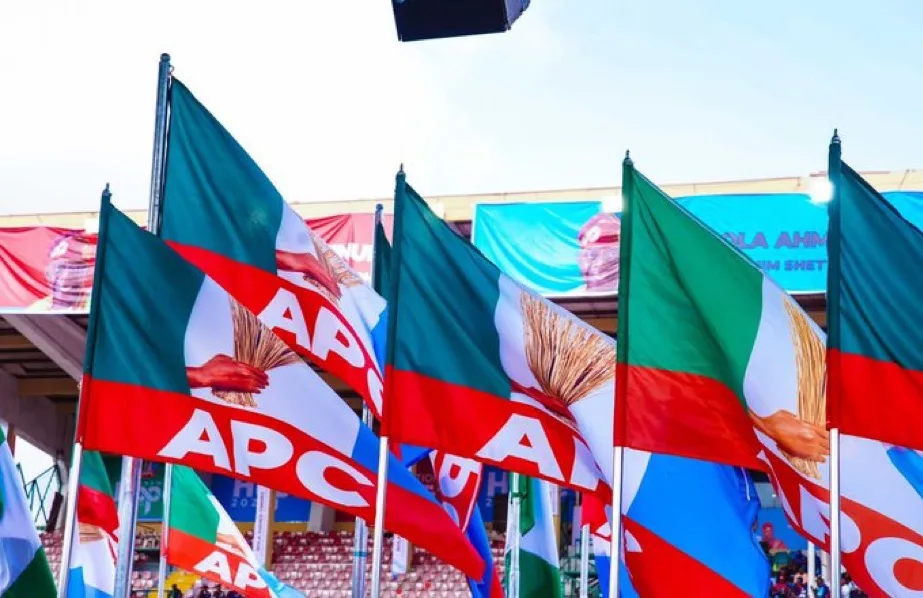
Nearly four months after the party’s 2026 primaries, efforts by the APC National Working Committee (NWC) to reconcile aggrieved members have reportedly failed to contain the growing fallout.
Several defeated aspirants and their supporters are now said to be considering two major options—challenging the outcome of the primaries in court or moving their political structures to opposition parties.
Findings showed that the APC leadership moved quickly after the primaries by setting up reconciliation panels and sending peace missions to states affected by internal disputes.
However, the interventions appear to have achieved limited success in some of the party’s most troubled states.
Disaffected members reportedly believe that the reconciliation process offers them little realistic opportunity to regain political relevance within the party, leaving litigation and defection as their major alternatives.
A major factor complicating the crisis is the amended Electoral Act, which has significantly reduced the political options traditionally available to parties in resolving disputes after contentious primaries.
In previous election cycles, defeated aspirants could sometimes be accommodated through consensus arrangements, deputy governorship slots or other political compromises designed to keep influential figures within the party.
But that political space has reportedly narrowed, making it increasingly difficult for party leaders to negotiate settlements capable of satisfying powerful politicians who lost during the primaries.
The stakes are particularly high because many of those leaving the APC are not ordinary members.
Several of the aggrieved politicians are believed to command strong grassroots networks, loyal supporters and considerable electoral influence in their respective states.
Their departure could therefore cost the ruling party far more than membership numbers.
Political observers fear that the growing internal divisions could put governorship and National Assembly seats at risk and complicate the APC’s chances in states where electoral contests are expected to be closely fought.
The crisis could also have wider implications for the party’s preparations for the 2027 presidential election.
One of the clearest signs of the growing cracks emerged in Nasarawa State, where former Inspector-General of Police, Mohammed Adamu Abubakar, reportedly defected from the APC to the Social Democratic Party after losing the party’s governorship primary.
With reconciliation efforts struggling to stop the wave of dissatisfaction, the APC faces increasing pressure to find a solution capable of preventing more influential members and their political structures from walking away before the 2027 elections.
As the general election draws closer, the party’s ability to manage its internal crisis may prove just as important as its campaign strategy at the polls.