

The Minister of Education, Dr Tunji Alausa, has alleged that questions for examinations conducted by the National Examinations Council (NECO) were at one point sold to candidates for as little as N3,000 before the examinations were written.
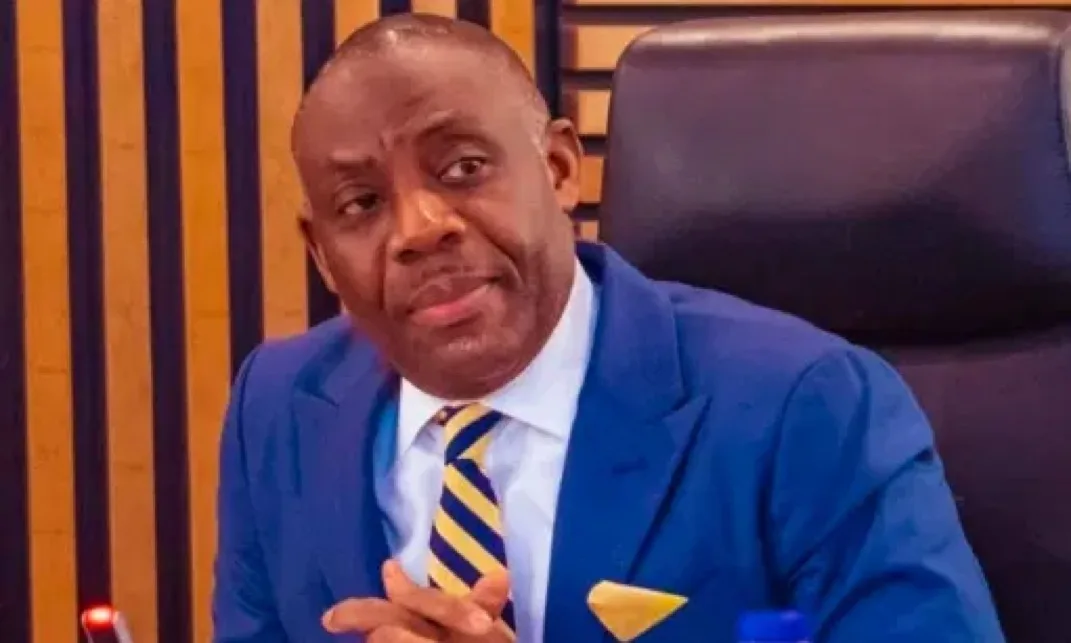
Alausa made the allegation on Thursday during a meeting with the National Association of Proprietors of Private Schools and other education stakeholders, where he described the level of examination malpractice, cheating and question leakages in Nigeria as “mind-boggling.”
The minister warned parents, teachers, school proprietors, principals, invigilators and students against practices that undermine the credibility of public examinations.
According to him, the widespread acceptance of examination malpractice had created an unfair system in which students who genuinely prepared for examinations were disadvantaged by candidates who allegedly obtained questions before entering the examination hall.
Alausa warned that such a system could eventually push honest students into cheating in an attempt to compete with those who had access to leaked examination materials.
“The danger was that the good students would also become bad,” he said.
Recounting his experience while tackling examination malpractice, the minister referred to a former NECO Registrar, Ibrahim Wushishi, while explaining how examination questions were allegedly obtained and sold before candidates sat for the papers.
“They bought his question for N3,000. That was it. Before the examination,” Alausa alleged.
The minister also recalled the 2025 examination period, claiming that he was repeatedly sent questions that were allegedly obtained before the examinations took place.
According to him, officials verified some of the questions with examination authorities and discovered that they were the same questions scheduled to be used for that day.
“I would send it to the HNO and ask, ‘Is this correct?’ And the answer I got was, ‘Unfortunately, that’s the question we’re doing today,’” he said.
Alausa stressed that students should not be seen as the only people responsible for examination malpractice, accusing elements within the wider education system of contributing to the problem.
He said parents, schools, teachers, principals and invigilators must take responsibility for ensuring that students are not given unfair access to examination materials.
“When we have an ecosystem where parents, schools, teachers, invigilators and principals are in full connivance, the students are the smallest players,” he said.
The Minister of State for Education, Prof. Suwaiba Ahmad, also called on private school proprietors and other stakeholders to support the Federal Government’s examination reforms.
She said stricter controls and the introduction of serialised examination questions would make it more difficult for candidates to rely on leaked materials and would encourage proper preparation.
The Federal Government said its renewed reforms were aimed at tackling longstanding concerns over question-paper leakages, impersonation, collusion and other forms of examination malpractice.
The government added that the measures were intended to restore the credibility of public examinations and ensure that students’ results truly reflect their knowledge, preparation and abilities.