

Fresh revelations surrounding Nigeria’s failed bid to qualify for the 2026 FIFA World Cup have reopened one of the most controversial chapters in the Super Eagles’ recent history, with an investigation by The New York Times alleging that FIFA officials were aware that the Democratic Republic of Congo had fielded an ineligible player during the qualifying campaign.
According to the report, FIFA’s legal officials had determined that DR Congo goalkeeper Lionel Mpasi had not completed the required process to change his international affiliation from France, where he had represented the country at youth level.
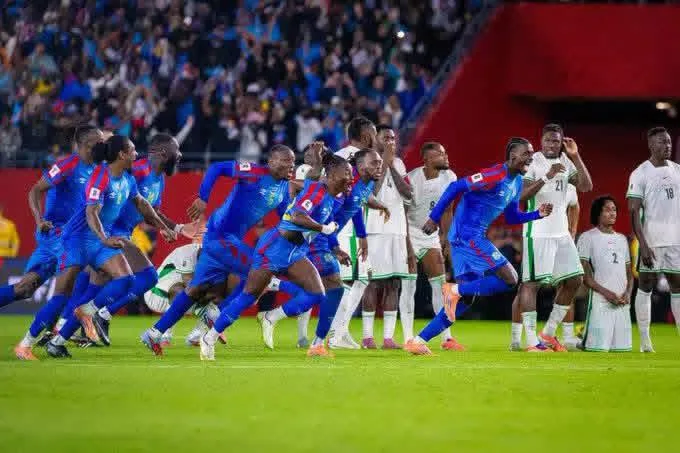
Despite the internal finding, the report said FIFA allowed Mpasi to continue representing DR Congo, including during the decisive African play-off final against Nigeria in November 2025.
DR Congo eventually defeated Nigeria on penalties after the match ended in a draw, ending the Super Eagles’ hopes of reaching the 2026 World Cup through the African qualification route.
The Congolese side later secured qualification for the tournament after defeating Jamaica in the intercontinental play-off, completing their route to the World Cup.
The latest revelation is particularly significant because FIFA’s eligibility regulations require players who have previously represented one national association at certain levels to satisfy specific conditions before switching allegiance to another national team.
The New York Times investigation reportedly examined FIFA’s handling of Mpasi’s case and raised questions about why the governing body permitted the goalkeeper to continue playing for DR Congo after concerns had allegedly been identified internally.
The issue could reignite debate in Nigeria over the circumstances surrounding the Super Eagles’ elimination, particularly given the importance of the November 2025 play-off against DR Congo.
However, the revelation does not automatically mean Nigeria will be reinstated in the World Cup qualification process. Any potential sporting sanction would depend on FIFA’s interpretation of its eligibility regulations, the specific circumstances of Mpasi’s international switch, and whether a formal protest was filed within the applicable deadlines.
FIFA’s disciplinary and competition regulations generally provide procedures for challenging player eligibility, while sanctions can depend on the nature of the breach and the circumstances under which it is established.
For Nigeria, the development comes months after the Super Eagles missed out on qualification for the expanded 2026 World Cup, despite reaching the final stage of the African play-offs.
The report is therefore likely to attract renewed attention from Nigerian football authorities, supporters, and legal experts, who may seek clarification from FIFA on what it knew about Mpasi’s eligibility, when it knew it, and why he was permitted to participate against Nigeria.
As of the publication of the report, the key issue remains whether FIFA will publicly explain its handling of the case and whether the revelations could lead to any formal review of DR Congo’s participation in the qualifying campaign.